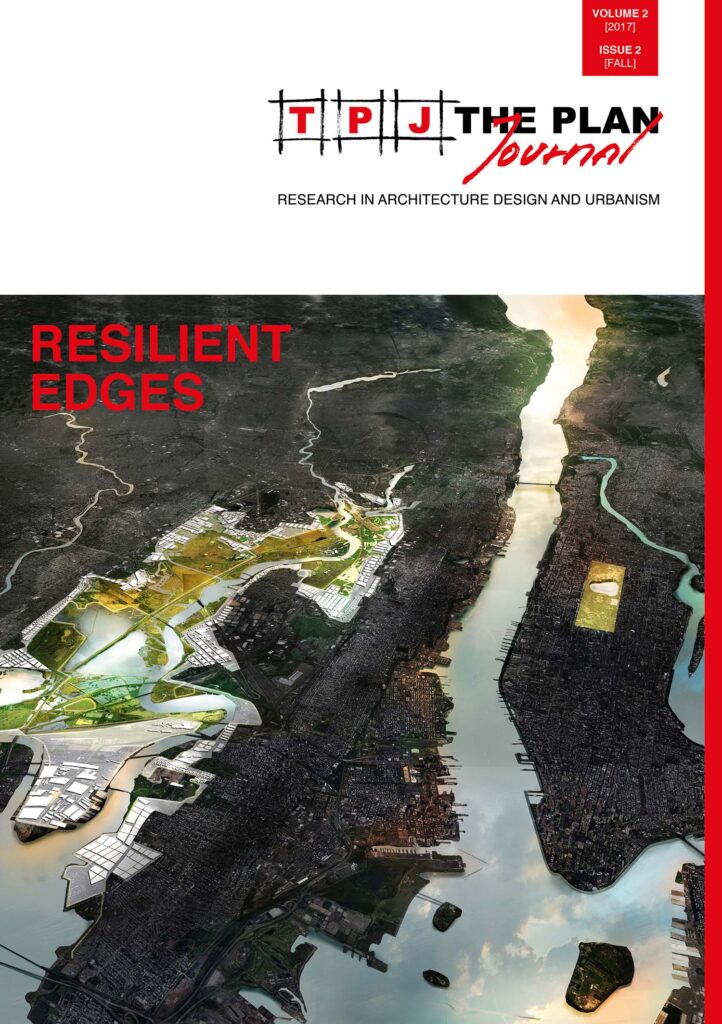
volume 2, issue 2
Resilient Edges
Abstract
Investigations, strategies and designs for the ecological resilience of coastal and delta areas around the world
Climate change and rising sea levels are posing unprecedented challenges for the ecology of world coastal and delta areas. As pointed out by recent studies,
“….mean sea levels could rise by 1 m or more by 2100, which will have severe impacts on coastal environments and ecosystems. … [At the same time] coastal population growth and urbanisation rates are outstripping the demographic development of the hinterland, driven by rapid economic growth and coastward migration. … [In addition] most of the world’s megacities are located in the coastal zone and many of these are situated in large deltas, where combinations of specific economic, geographic and historical conditions to date attract people and drive coastal migration…” 1
These studies project that the population rate in “low-elevation coastal zones” (LECZ 2 ) will continue to grow from the 10% of world population it was in 2000 to about 12% by 2030. The estimated population of LECZ is set at about 914 million by 2030 and about 1.2 billion by 2060. 3 No matter what the actual scenario will be, it is clear that the phenomenon has already reached an alarming level. Yet, the power of design, with its knowledge and intelligence, can turn this threat into an opportunity and to propose and experiment new ideas to make these edges more ecologically resilient: from the design of new hybrid/amphibious landscapes, to floating housing systems and floating complexes and facilities, to new urban and regional planning strategies for sustainable development. As Carlo Ratti has noted: “Water is a reconfigurable material, and it allows us to develop adaptive, ‘fluid,’ designs. … to imagine an architecture that adapts to human need, rather than the other way around.” 4
The TPJ seeks contributions that can illustrate innovative research on how we can understand and design more resilient habitats and eco-systems from a variety of angles and scales: from historical/theoretical analyses of representative casestudies, to typological and technological investigations, to cross-disciplinary studies (especially with landscape design and ecology), to projects of reflective practice for specific sites and contexts, to evaluation of, and/or proposals for, new forms of urbanism, to experimental pedagogies.
Submission Options
Priority for peer-review evaluation and publication will be given to complete manuscripts, but proposals in the form of long abstracts [300/500 words] are also encouraged as a first step in the editorial review process. Authors of accepted proposals will then be invited to develop complete manuscripts, which will then go through the peer-review process. Submitting proposals as a first step is only an option and full manuscripts are encouraged also as first submissions.
Timeline
- Proposals due by
- Invitation to develop accepted proposals into complete manuscripts communicated
- As of June 20, 2017, only full manuscripts will be accepted
- All complete manuscripts due by
- Accepted and edited manuscripts expected to be published on-line by
To Submit
Please log in and register on the TPJ manuscript management system “Editorial Manager”: https://www.editorialmanager.com/tpj/default.aspx Once registered, from the “Author Main Menu” go to “New Submissions,” then select “Submit New Manuscript,” then, from the scroll down menu, select the article type “Article/Essay/Research” for a full manuscript submission or “Abstract (only)” for a proposal submission. Then, either way, follow the prompts.
Notes
- 1. Barbara Neumann, Athanasios T. Vafeidis, Juliane Zimmermann and Robert J. Nicholls, “Future Coastal Population Growth and Exposure to Sea-Level Rise and Coastal Flooding - A Global Assessment,” PLoS One 10, no. 3, published online March 11, 2015. doi: 10.1371/journal.pone.0118571
- 2. According to Neumann et al. (2015), “the LECZ (low-elevation coastal zone) is commonly defined as the contiguous and hydrologically connected zone of land along the coast and below 10 m of elevation.”
- 3. Neumann et al.
- 4. Carlo Ratti, as quoted in Katharine Logan, “Noah’s Ark-itecture,” Architectural Record 205, no. 4 (2017): 217-23 (223).
This call is for
Every article in this issue is free to read. No subscription required.
Articles
Water-Born Micro-Cities: Bringing the Great Lakes Closer to Natural Symbiosis with Eco-Based Design
Salty Urbanism: Towards an Adaptive Coastal Design Framework to Address Sea Level Rise
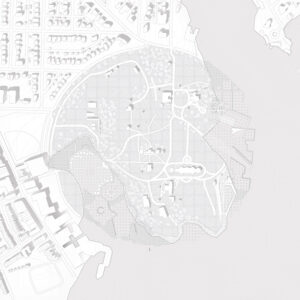
Other Than Infrastructure: Leaving Room for the Fantastical in the Resilient Project
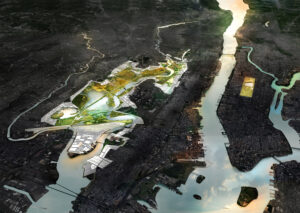
“Polyvalent Adaptation”: Design in a Temporal Context of Uncertain High-Risk Futures
Integration of Habitat Grammars for Biodiverse and Resilient Coastal Structures

MaterialNature: An Opportunistic Paradigm of Architecture and Landscape Ecology
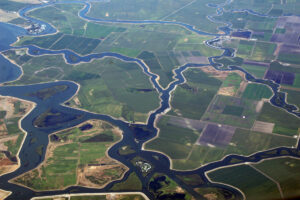
Territory and Technology: a Case Study and Strategy from the California Delta
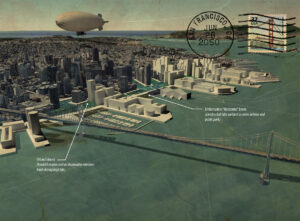
Between Land and Sea: An Approach for Resilient Waterfront Development along the San Francisco Bay
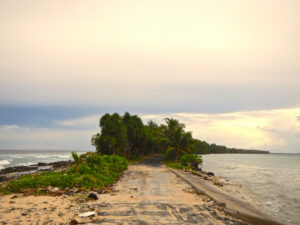
Interrupted Atolls: Riskscapes and Edge Imaginaries in Tuvalu
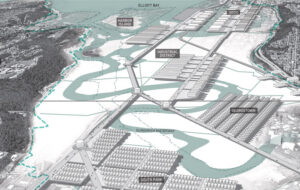
Groundedness as Risk: Adaptive Strategies for Ground Failures in Seattle
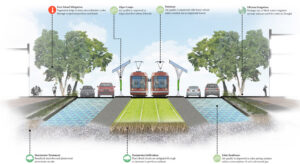
(Geo)Design Coastal Cities: Design with Data (and Nature too)
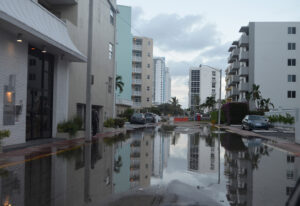
Miami Rising: Historical Perspectives on Sea Level Rise as a View into the Future
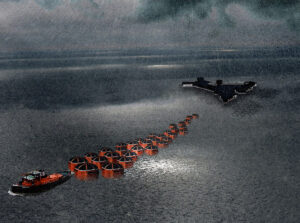
The SEA Is Coming: The Future of a Marine Research Facility
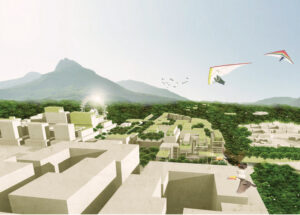
Cidade Oceanico. Environment and Urbanization in Rio de Janeiro
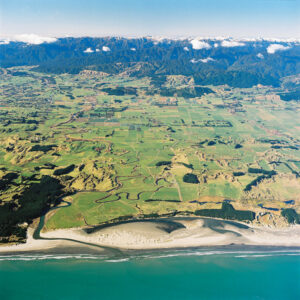
Climate Change Adaptations for Coastal Farms: Bridging Science and Mātauranga Māori with Art and Design
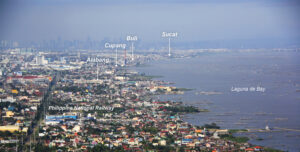
Resilient Edges: Exploring a Socio-Ecological Urban Design Approach in Metro Manila
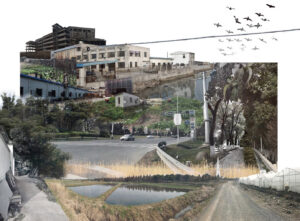
An Eco-Leap Forward: Shifting Agriculture
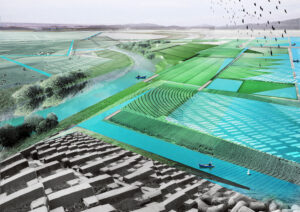
Connecting Water Resources across Political Borders: A Pearl River Delta Special Ecological Area
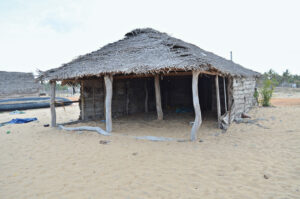
Challenges of Disaster Relief Housing: Evaluating Coastal Domestic Typologies in Eastern Sri Lanka
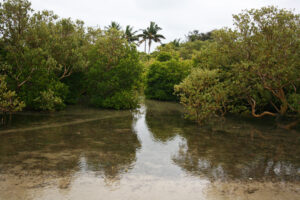
Mangroves of Maputo, Mozambique: from Threatened to Thriving?
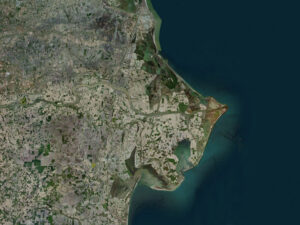
Selective Retreat Scenarios for the Po River Delta
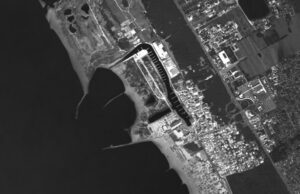
Design Strategies and Non-Standard Territories. The Resilience of the Domitian Coastline
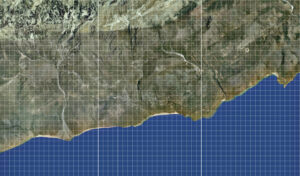
Fragile Edges and Floating Strategies along the Albanian Coastline
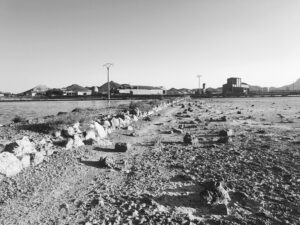
Salinas: Interstices of the Urban, Cultural and Political Processes in Mediterranean Ecologies
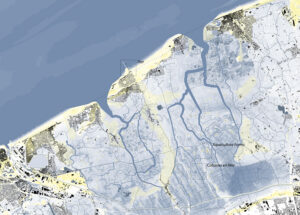
Between Land and Sea: Reshaping the Belgian Coastline A Case Study between Ostend and Blankenberge