vol. 6 , no. 2
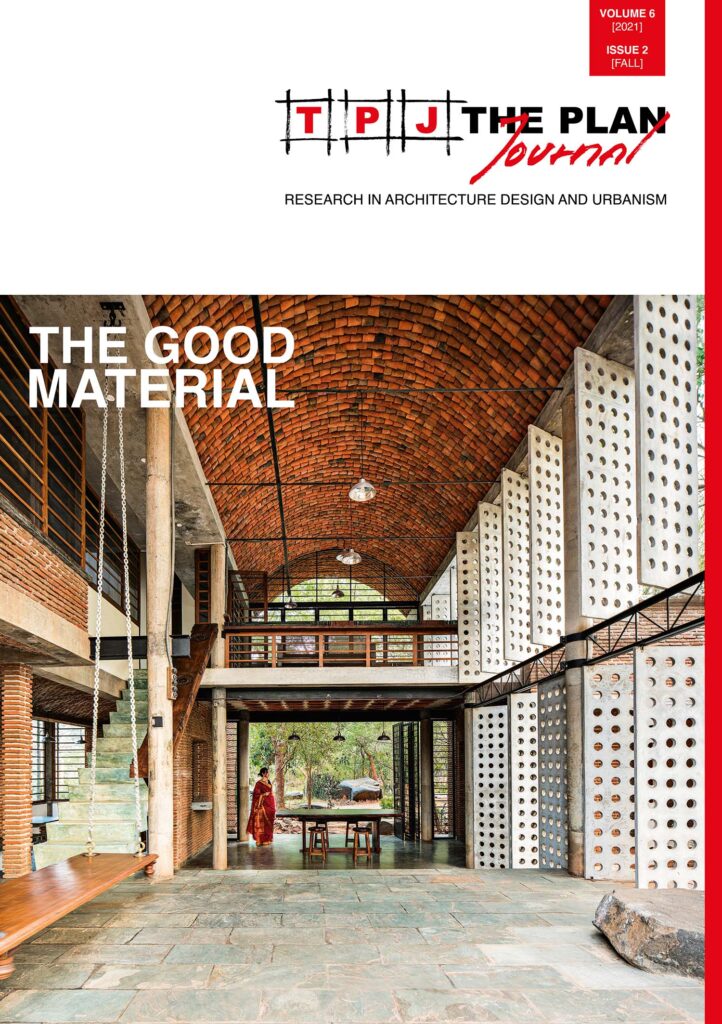
The Good Material
Abstract
How can we advance materials science, design creativity and technological innovation for a smarter, more sustainable, and humane materiality and tectonics?
With the world facing increasing environmental challenges amidst an unprecedented public health crisis and rising social inequalities and racial tensions, the call for a healthier and more sustainable physical environment is becoming an unavoidable imperative. The design fields have a responsibility and a unique opportunity to answer this call, and thus the need for a new materiality is emerging with urgency. We need more sustainable materials, more efficient and lasting construction systems, less waste, smarter recycling processes, community driven experimentation, research and innovation for a new tectonics capable to leverage our collective design intelligence across disciplines, communities and cultures.
Recent advancements and discoveries made in materials science and digital fabrication and technology have opened up unexpected possibilities, unimaginable even just a couple of decades ago. However, as Anupama Kundoo pointed out, “architecture’s essence does not lie in its materiality, but rather in the ‘void’ that we are able to inhabit and that humanity has been designing throughout history.” 1 Yet, in order to create the best possible “shell” for human life to unfold, we ought to focus our efforts and intelligence also on how best to construct such a shell, by also questioning stereotypes and consolidated practices for a modern life that has dramatically evolved over the last decades. Again with Kundoo: “the ways we have been building in the last hundred years have created many environmental, social, and economic problems. Therefore, it is very urgent that we radically re-think our materiality.” 2 For a more sustainable and smarter physical environment, we need a better materiality and tectonics, optimizing performance and social and environmental sustainability, attuned with our current modern sensibility, way of life and aspirations.
The TPJ seeks proposals to explore and disseminate relevant research and experimental practice for a new materiality and tectonics on which architecture, design and urbanism can rely to shape a more sustainable, just, humane and beautiful world.
Submission Options
Priority for peer-review evaluation and publication will be given to complete manuscripts, but proposals in the form of long abstracts [300/500 words] are also encouraged as a first step in the editorial review process. Authors of accepted proposals will then be invited to develop complete manuscripts, which will then go through the peer-review process.
Submitting proposals as a first step is only an option and full manuscripts are encouraged also as first submissions.
Timeline
- Proposals due by July 31, 2021 Will receive a preliminary feedback within a week
- All complete manuscripts due by
- Accepted and edited manuscripts expected to be published on-line by
- Printed version of the issue expected to be available by
To Submit
Please log in and register on the TPJ manuscript management system “Editorial Manager”: https://www.editorialmanager.com/tpj/default.aspx
Once registered, from the “Author Main Menu” go to “New Submissions,” then select “Submit New Manuscript,” then, from the scroll down menu, select the article type “Article/Essay/Research” for a full manuscript submission or “Abstract (only)” for a proposal submission. Then, either way, follow the prompts.
Notes
- 1. Anupama Kundoo, key-note speech (delivered online) for the celebrations of the 10th edition of the Michele Silvers Award, for student work, held at the Politecnico in Milan, Italy, on March 11, 2021.
- 2. Ibid.
This call is for
Articles
Human Time as a Resource: Twelve Strategies for Re-thinking Urban Materiality
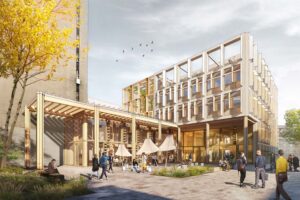
2 in 1 – A Playful Approach to the Sustainable Use of Building Materials
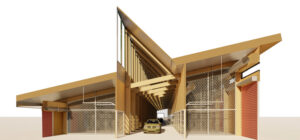
Wood City: Timberizing the City’s Building Blocks
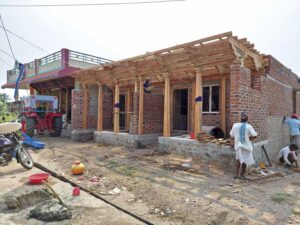
Re-Emergence of the Vernacular: The Material Aspirations and the Vanishing Continuum of the Immaterial
Silver Tower. Bio-Engineered Matter with Silver Skin
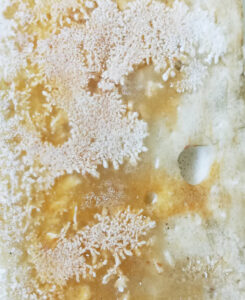
Salt as a Building Material: Current Status and Future Opportunities
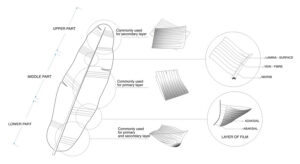
Reading (Hidden) Dialogue of Organic Tectonics
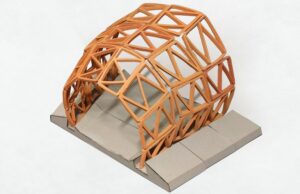
Performance-Based Computational Design and Fabrication for A Resilient Solution: Dredged Material for Masonry Vault Construction

Material as Common Good: Feedstock Valorization in Building Materials Using Biochar as a Case Study
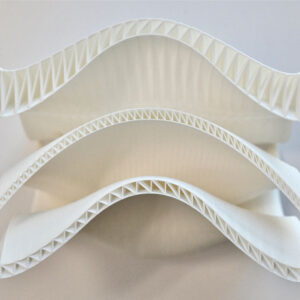
Woven Blocks: A Tectonic/Typological Investigation into the Potential of FDM Printing
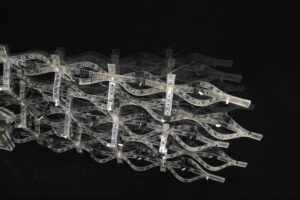
Material Dynamics in Architecture
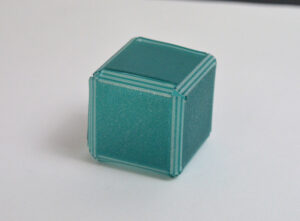
Research Towards Shape-Changing Composites with Thermal Responsiveness: 4D Print Experiments in Small Scale