vol. 7 , no. 2
The Right to Housing
Abstract
How can the design, architecture and urbanism help us uphold the right for healthier, more sustainable, more equitable and more affordable housing?
As the world is grappling with global crises on multiple fronts, including the current conflict in Ukraine, more and more people are being displaced due to migration or to escape war-ridden regions, famine, economic straits, as well as religious and political persecution. These crises-driven pressures are added to the already steady trends of demographic growth and urbanization on a larger and larger scale.
The demand for housing is thus increasing and will remain high for the foreseeable future. However, in the face of devastating public health challenges (one of which we just seem to exit from), facing the challenges posed by climate change and by the increasing demand for social equity, we do not need just (more) of the same (affordable) housing. The design fields are tasked to develop new answers for housing that, while still affordable, will be also healthier, more sustainable, and more equitable.
The right to housing was already enshrined in the 1996 Istanbul UN-Habitat Agenda, and more recently reincorporated into the most pressing agenda items at the global level, as stated in the 2015 UN document “Transforming Our World: The 2030 Agenda for Sustainable Development” (goal 11.1). This was further re-elaborated by the 2016 UN conference “Habitat III,” held in Quito (Ecuador):
“The enormous challenges that cities continue to face, despite interventions such as housing policies and increased social and public housing expenditures, suggest that there is a need for a paradigm shift in how housing is viewed in order to end homelessness and ensure access to adequate housing by all citizens. Such a paradigm shift could involve the adoption of a rights-based approach to housing, and the adoption of qualitatively different housing policies that are truly inclusive and reflect a commitment by governments to leave no one behind.” (conference proceedings, 44).
Yet, this right to housing has acquired new meanings and connotations vis-à-vis the current crises, as we re-affirm the critical role of housing in shaping the modern city of tomorrow.
The Plan Journal is thus seeking contributions that can offer research-based solutions, whether globally or more region-specific, whether as holistic designs or plans, or tacking a particular aspect (typological, technological, urbanistic, development or policy related, or of sociological impact) to start responding to this on-going global challenge.
Submission Options
Priority for peer-review evaluation and publication will be given to complete manuscripts, but proposals in the form of long abstracts [300/500 words] are also encouraged as a first step in the editorial review process. Authors of accepted proposals will then be invited to develop complete manuscripts, which will then go through the peer-review process.
Submitting proposals as a first step is only an option and full manuscripts are encouraged also as first submissions.
Timeline
- Proposals, in the form of long abstracts [about 500 words], due by
- Invitation to develop accepted proposals into complete manuscripts sent to authors by
- All complete manuscripts due by
- Accepted and edited manuscripts expected to be published on-line by
- Printed version of the issue expected to be available by
To Submit
Please log in and register on the TPJ manuscript management system “Editorial Manager”: https://www.editorialmanager.com/tpj/default.aspx Once registered, from the “Author Main Menu” go to “New Submissions,” then select “Submit New Manuscript,” then, from the scroll down menu, select the article type “Article/Essay/Research” for a full manuscript submission or “Abstract (only)” for a proposal submission. Then, either way, follow the prompts.
This call is for
Articles
The Right to Housing: A Holistic Perspective. From Concept to Advocacy, Policy, and Practice
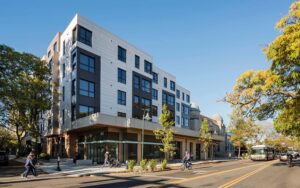
A Right to Housing: A Compelling Idea and an Elusive Reality
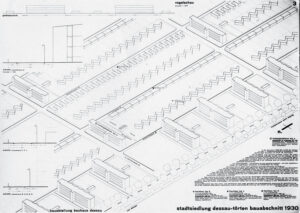
At Home with the Collective: Hilberseimer, Labor Unions, and the Women’s Movement
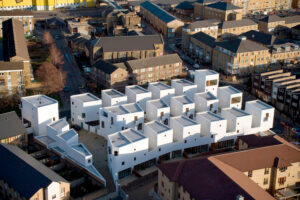
The Right to Housing: Architectural Composition as a Solution
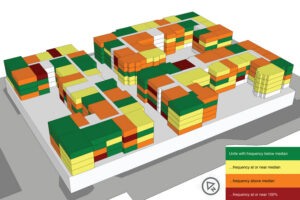
Countering the “Troublesome Unit”: Compensatory Design to Create Equity in Social Housing
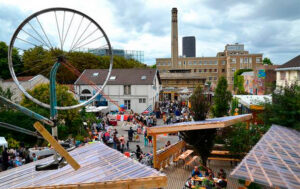
At Home from Emergency Shelters to Temporary Living
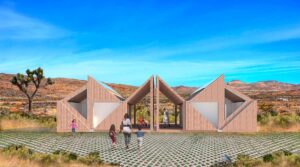
The Watershed House: A Water Harvesting Prototype for Vulnerable Communities
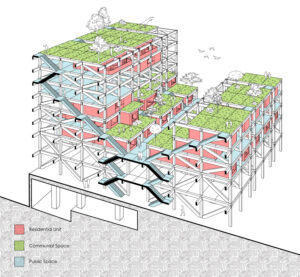
Hybrid Mass Timber + Additive Construction: Projecting an Urbanistic Building System for Social Housing
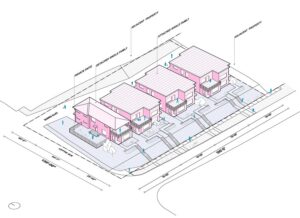
Central State Infill: Middle Housing Solutions in Oklahoma City, USA
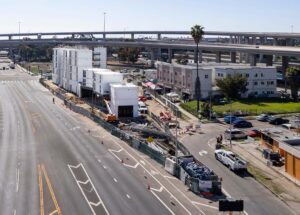
Surplus Land: How Architecture Can Transform Underutilized Public Properties into Affordable Housing
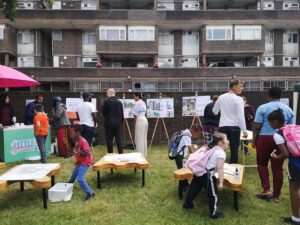
Listening as a Methodology, Longevity as a Goal: London’s Tustin Estate Master Plan as a Case Study for Community-Led Design Development
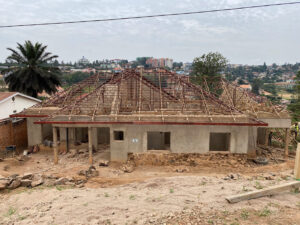
Five Esthetics of the Global Development Industry: Building Low-Cost Housing in Rwanda
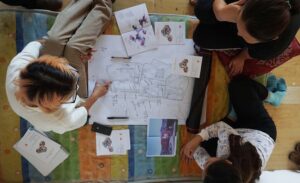
Incremental Development Manual: Toward a Cooperative Model of Housing in Ulaanbaatar (Mongolia)
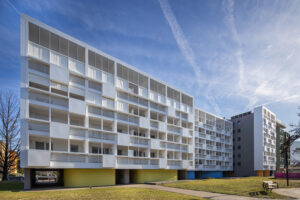
Experimenting with Mass-Housing Regeneration: Two Pioneer Actions in Bolzano (Italy) as Part of the SINFONIA Project