
Archive
Tag: affordable housing
Article
Subscribers
Incremental Development Manual: Toward a Cooperative Model of Housing in Ulaanbaatar (Mongolia)
by Joshua Bolchover, Jersey Poon
pp. 503–527
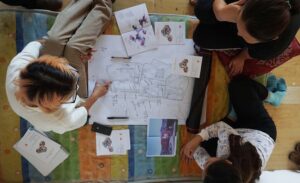
The population of Ulaanbaatar, Mongolia, has increased by 197% in the last twenty years, resulting in the creation of sprawling districts with no basic infrastructure that house over 60% of the city’s population. Current development plans are proving ineffective as they require huge investments toward land-owner compensation and infrastructure, and rely on developers for implementation. As an alternative, we have developed a strategic framework for sustainable and affordable district upgrading for these sites as an Incremental Development Manual. The manual offers a strategy for in situ development that accommodates incremental growth and collective improvements to residents’ shared plots. It operates on a small scale, working on the mutual benefits of four households working together as the basic unit for all further transformation. This paper will demonstrate how this strategy reflects the diversity of housing needs and incomes of ger district inhabitants, and discusses potential financial tools for housing and infrastructure provision, including the potential for cooperative development.
Buy
Already in your cart -
View cart
Article
Subscribers
Surplus Land: How Architecture Can Transform Underutilized Public Properties into Affordable Housing
by Lorcan O’Herlihy
pp. 445–451
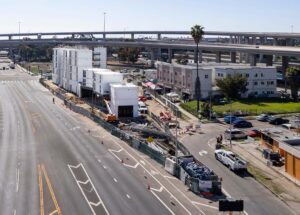
As the cost of land becomes increasingly expensive, cities are posed to establish new ways of finding sites to encourage affordable housing and housing for people experiencing homelessness. Cities in California and across the US are looking to surplus land, or underutilized publicly owned land, as a resource to develop new housing. One of the obstacles with this effort is the inconsistency of the surplus land parcels. Challenges these sites might be facing can include a lack of zoning, contamination, and a lack of connection to residential or pedestrian-friendly zones. With surplus land presenting a viable option for developing new affordable housing, Architects will be a key component to reimaging these sites to contend with the challenges they face and to integrate this new land use into neighborhood contexts.
Buy
Already in your cart -
View cart