
Archive
Tag: representation
Essay
Theory
Subscribers
Digital Line: Architecture’s Expanding Thread
by Johan Voordouw
pp. 47–65
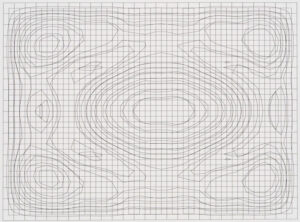
This article studies the changing role of line in architecture. The paper argues that digital production has led to a subsequent shift of lines as trace, towards lines as “spatialized” thread. This thread is moving away from orthographic and perspective modes of representation through three embedded modes of conception: the digital model, diagram and notation. These new lines have a long and alternative lineage in architectural ideation. The paper explains each mode in turn, indicating the importance of the model as a line in space embedded since the very inception of western architectural discourse; the edifying role of the diagram as a line of operation clarifying architectural ideas; and the new material ground that links notation to fabrication, and continued actualization in the pursuit of new architectural ideas. By expanding the line in architecture, the digital line better connects emerging representational modes to established architectural thinking and opens new ground to further representational discourse.
Buy
Already in your cart -
View cart
Article
Reflective Practice
Open Access
Practice as Autonomous Object
by Marc Manack
pp. 47–57
Published: 2016-01-26
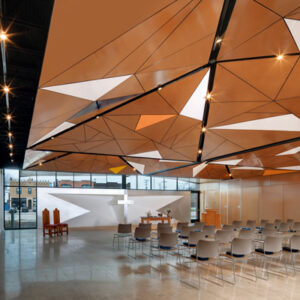
The purpose of this paper is to argue for “practice” as an autonomous object in architecture by rehearsing contemporary attempts at its definition, and offering an alternative. To support the argument, the author utilizes the characterization of objects from the philosophical practice Object Oriented Ontology (OOO). Additionally, exemplars from a realized project designed by the author are used to demonstrate how representations reveal the metaphysical autonomous object of practice from within material projects. The aspiration of this work is to hunt for an object of architecture independent of the polemics and compromises that seek to legitimize practice with academic and professional audiences. The author suggests that the pursuit and articulation of an autonomous practice that exists outside of both the contingent singular building, and the relations to all other architectures that academic discipline demands, is useful in empowering new creative practices in the field.