
Las Heras: An Imagined Future. Stories of an Emerging World
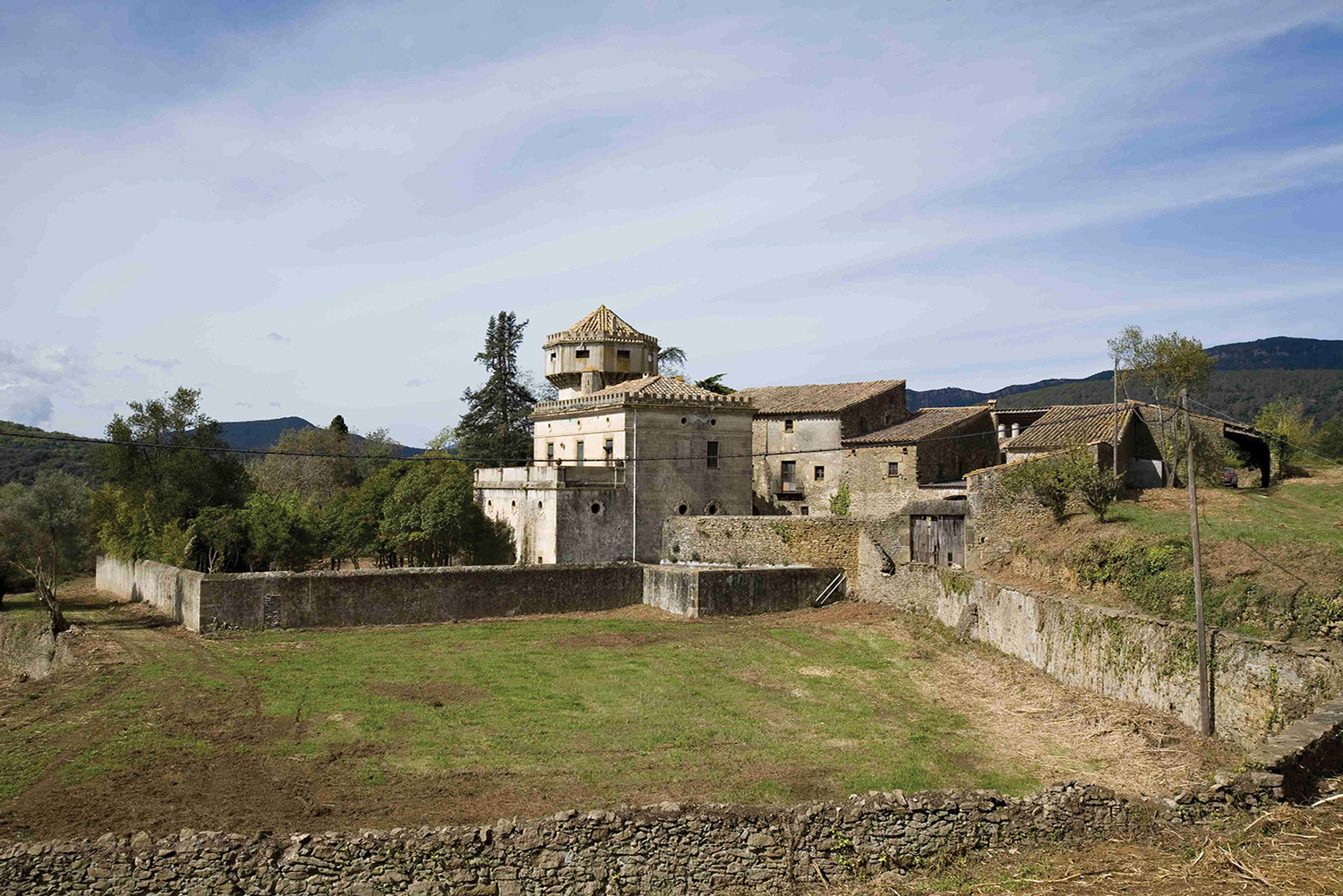
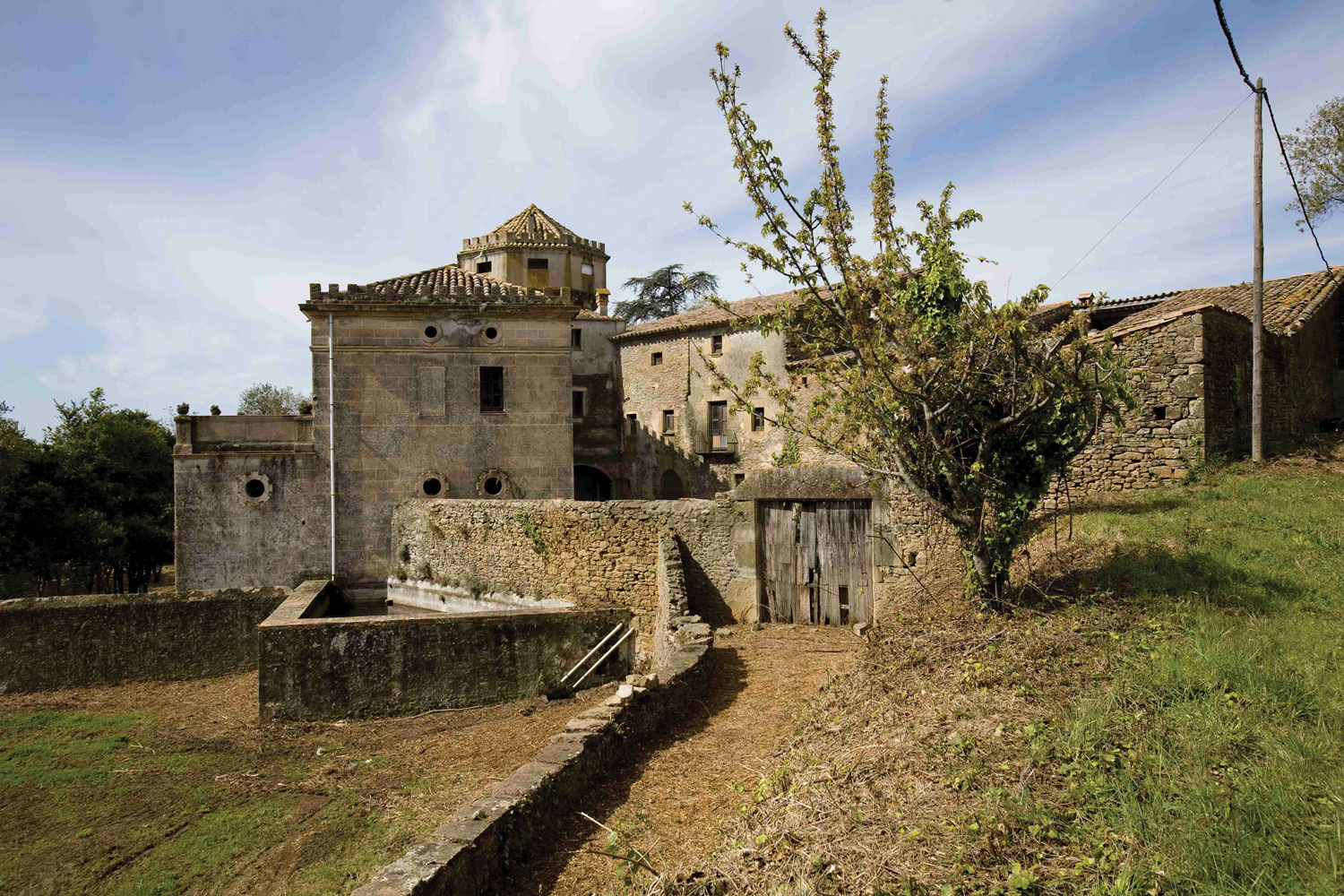
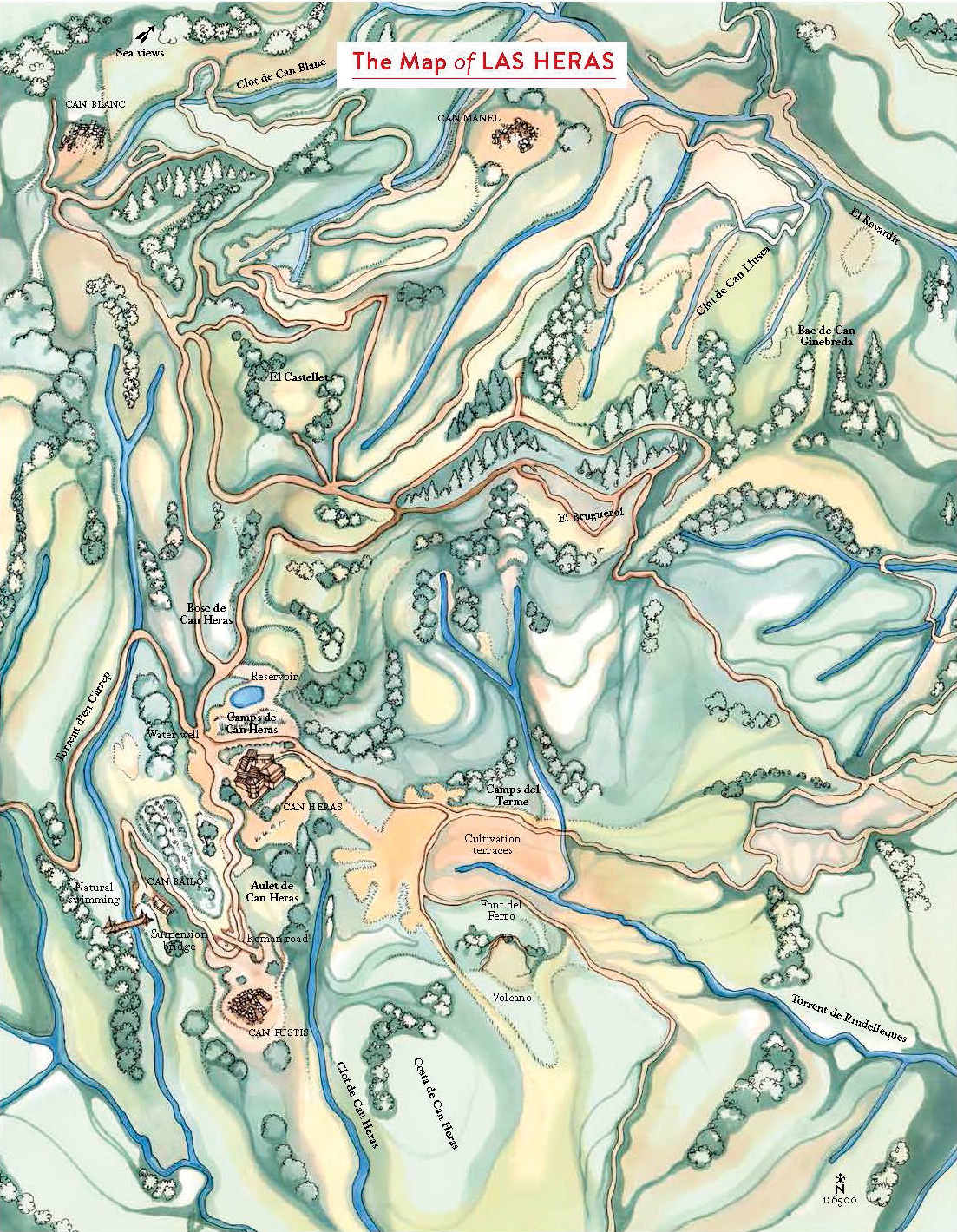
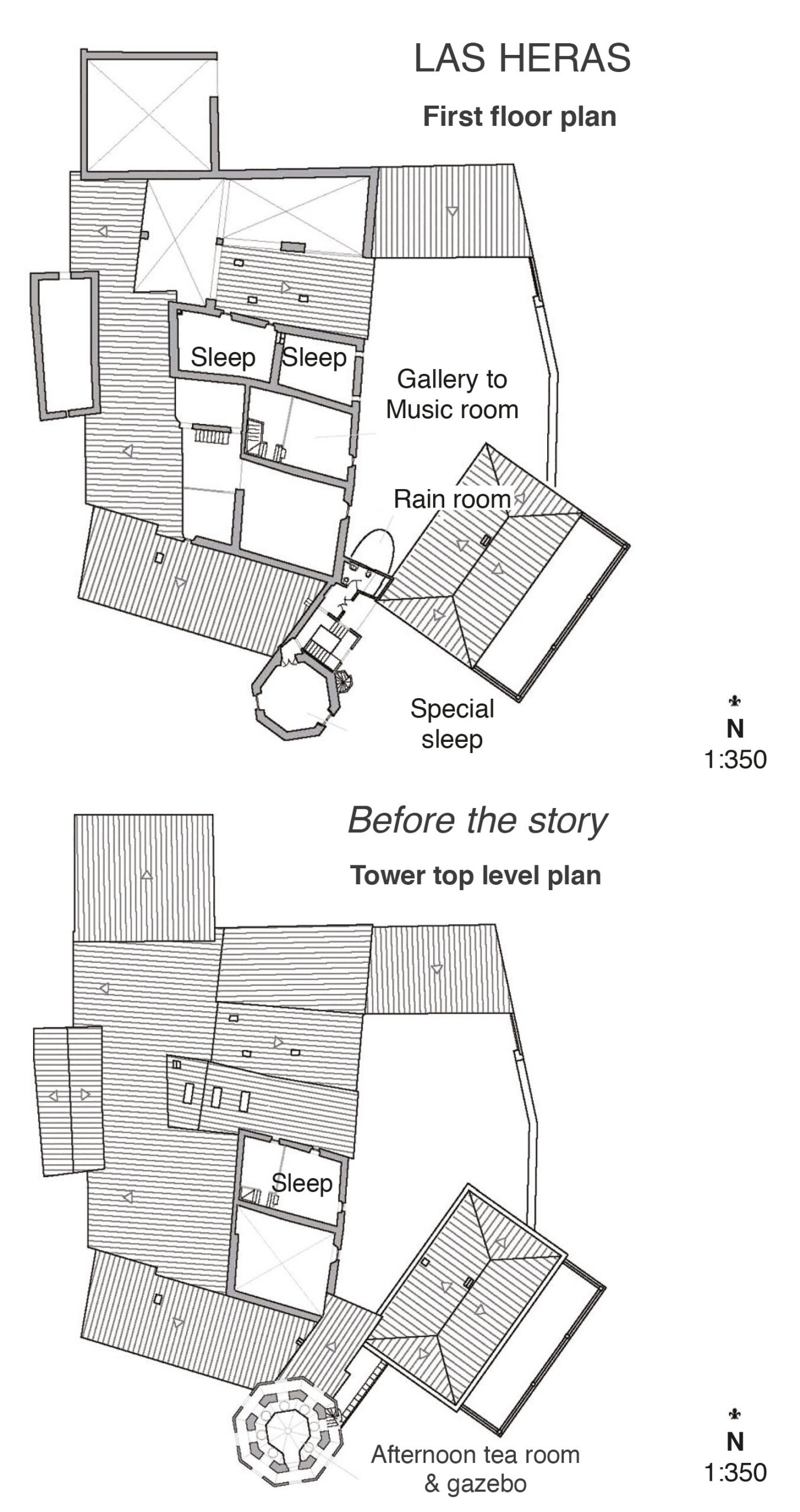
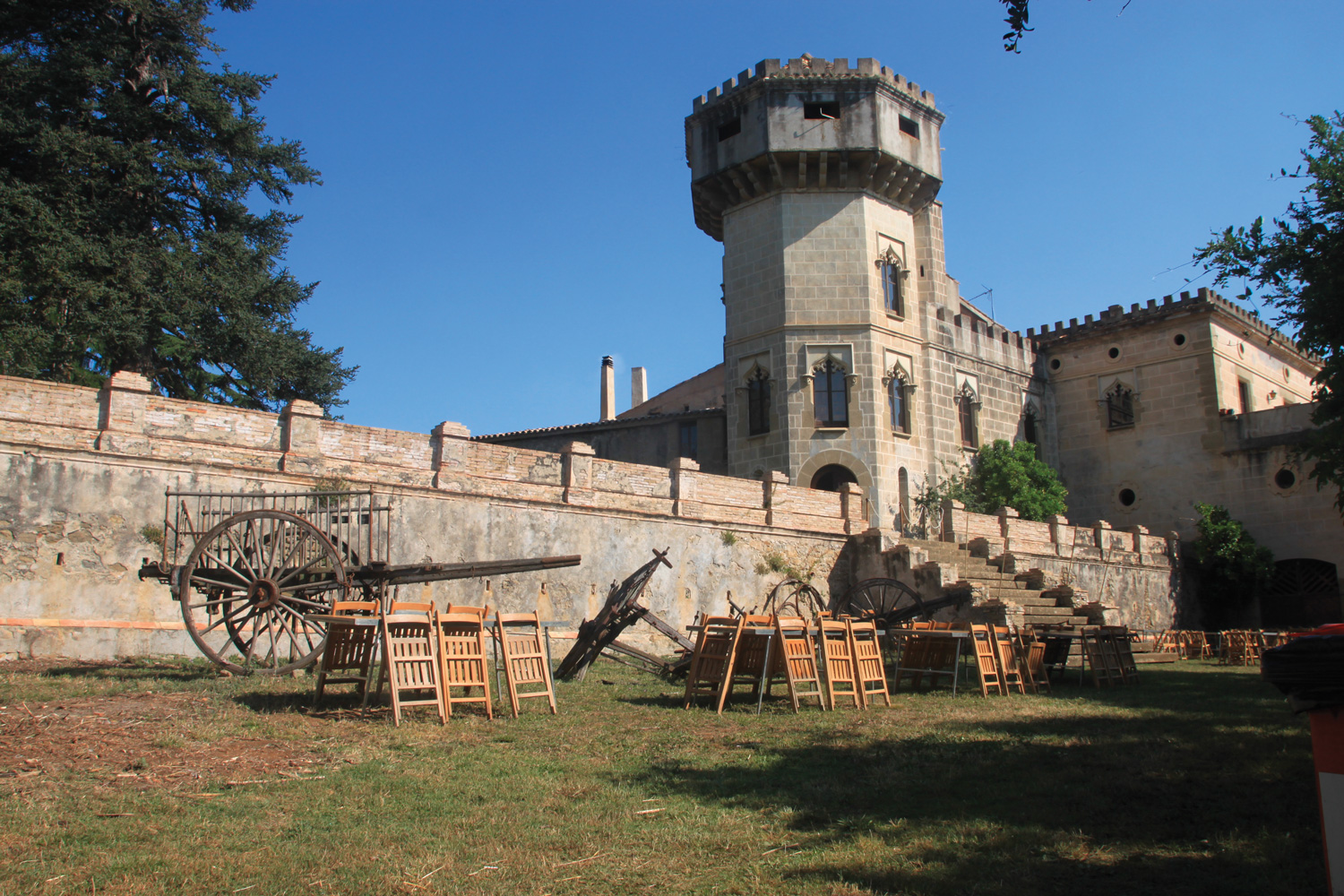
ABSTRACT - The estate Las Heras lies close to Girona in Spain. I was taken there by my client, in the form of a mystery tour. We arrived at a large house within 350 hectares. I felt instant affinity to this place before leaving the car. I asked my client: “Why did you buy this?” He answered: “…that is YOUR project – to tell ME!” The land exuded a sense of place which appeared irrational. Time and neglect had taken its toll on the main house and work began to repair the building.The estate has a long and tumultuous history; the past informs the present and creates context for the experience of the place. The future required a possible description. A narrative (novella) was an indulgence that allowed exploration of what might happen in the formation of the place. The book exists as a plan, a gazetteer volume of information, and a cookbook, intended to stimulate and encourage. The emerging project’s starting point is as an educational resource for anyone; particularly for architectural and art institutions.
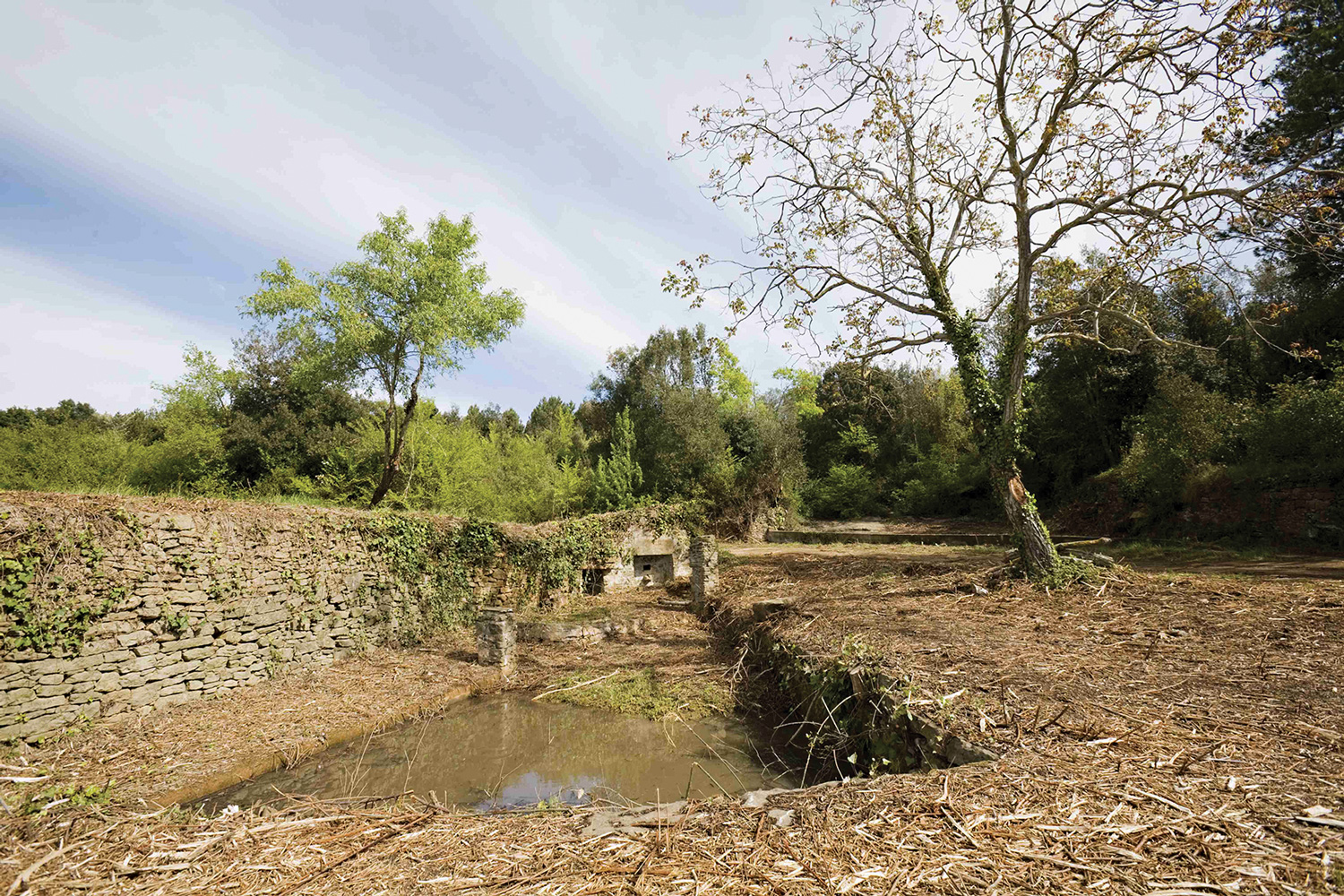
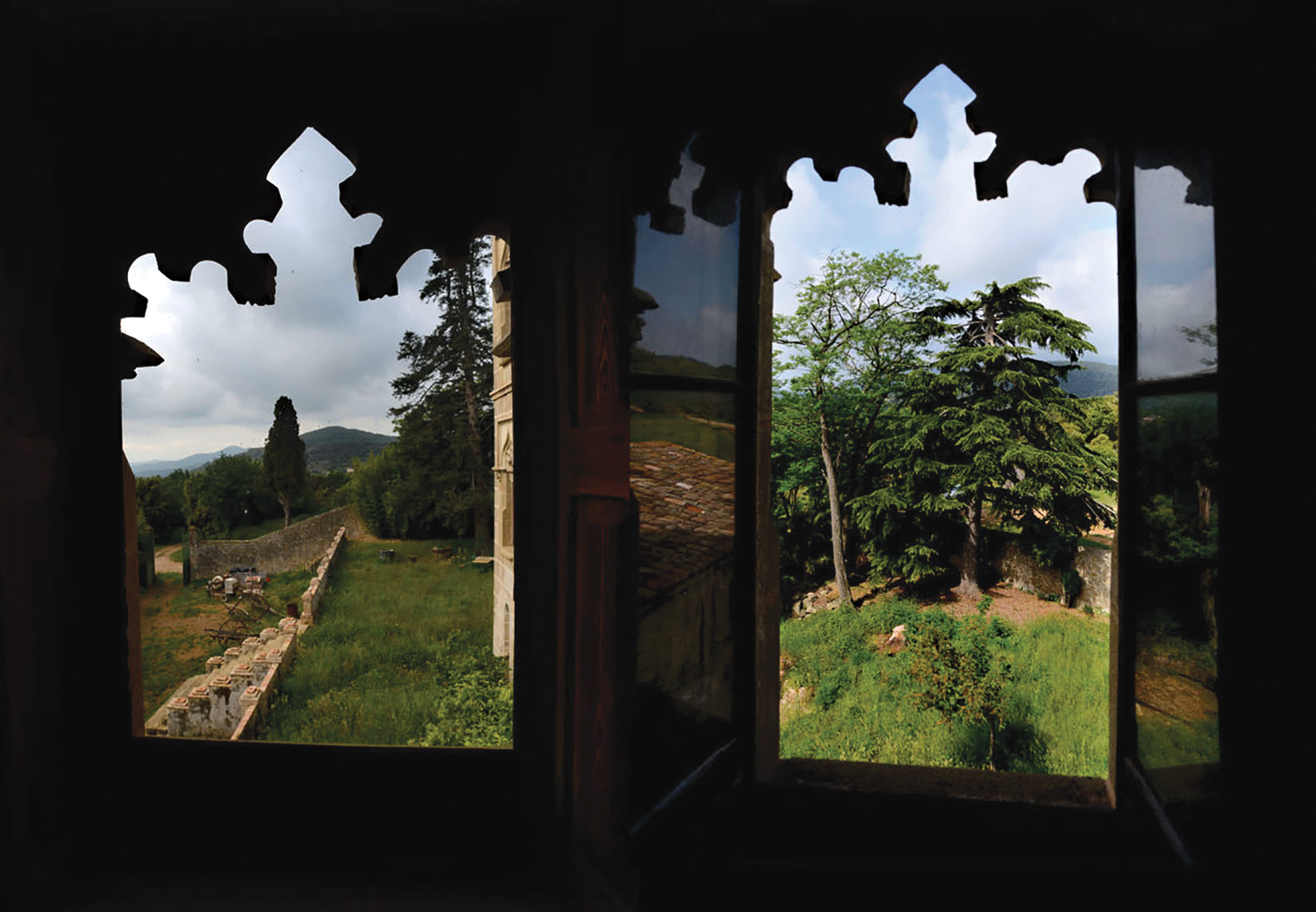
The house and terrain are beautiful. I had noticed that whenever I took someone to visit, they each loved it. There is something about this place that allows people to succumb to some natural sense of being without question. It was perfect and yet the question arises, what to do with this empty place?
I am an architect and for some time it has worried me that architects, with one or two exceptions, are expected, or expect themselves to do something architectural. Hence the urge to do nothing was as strong as ever. This Arcadian paradise should not repeat history of Eden. The sin of improvement should not be committed here, as I increasingly believe in other places. The world lies at the mercy of the architectural industry and architects, amongst others. Architecture offices are often judged today on the quantity of their output. Offices are more global and many grow by acquisition. This is a business and has nothing to do with architecture. It is a world led by accountants not art. Add to this phenomena other words like “placemakers,” “urban designers,” “space analysts,” etc. and the pressure is to make “stuff,” “alter things” and destroy. How many sins are committed by the single word “regeneration”? How do you breathe life back into an empty house?
The original part of the home is 1,000 years old and right up to the beginning of the twentieth century it was added to and adapted. A lady of the original family lived in the home up until 2007 at which point she decided through age and remoteness that she should sell and move out. She moved abandoning the estate to fend for itself and swearing that she would never return. The home has stories…
HOW TO TEACH? NO MANIFESTOS!
Las Heras has, in my mind, an important contribution to make which might go towards answering the question. There was initially the automatic response to a large tract of land occupied by one dominant house and five ruins and that was to do a masterplan to try and pull some vision of a possible future out of a chaos that appeared to reign. I was charged by the person who had bought it to tell him why he had bought it. This was my challenge. Many would see this as some luxury retreat for the rich and you could do that. My client is more interesting than that.
Masterplans are dangerous. They have become over the last three decades a piece of work that is rarely realised. They tend to be political and marketing devices that are often so banal that the more mindless they are, the more they are applauded. If they contain any ideas, those jewels of possibility are edited out to avoid any debate or discussion. On sizeable projects this process is carried out by committees of ever-increasing size. For example the masterplan for the London Olympics has resulted in a public place (a park of some quality) which has to be approached via a huge shopping complex! This is not an idea of any worth and is certainly not beautiful. The more I consider the future of said futility the more I arrive at the concept of “evolution” and never taking decisions before you have to.
At Las Heras there is already an accumulation of stories. The facts are called history and the tales are myths. All contribute to the ambiance of the place. Even without knowing any of these the visitor is already attuned to their existence, even to the point of making up their own fictions as they wander through the buildings and the land. This is, I believe, true of any place in the world and it is the memories of the place that is as easily destroyed by the masterplan.
This thinking has led me to consider the concept of never knocking down any buildings because by doing so you destroy memories and stories. Instead it is possible to extend, build over, repair and add to the existing. This is an evolutionary approach that if adopted would lead to a diversity of experience; physically, visually and psychologically within our towns and cities that will preserve our heritage and sanity. It also challenges that other word which leads to boredom – context.
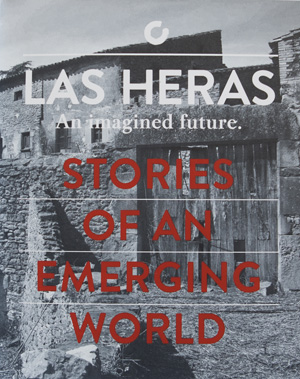
It was necessary at Las Heras to give an idea of change without planning it. For this reason I decided to write a short novel which would describe a possible future without determining it. Words are more open than drawings and plans and allow other people to invent in their imagination. The book is now published, entitled: Las Heras – Stories of an Emerging World (Fig. 9).
The book evolved beyond the novel into a history plus a number of appendices. The latter ones catalogue the flora & fauna and also include a recipe book of dishes that can be created from ingredients that can be found on the land. It is, I hope, a “useful” book and is intended as a companion to the visitor.
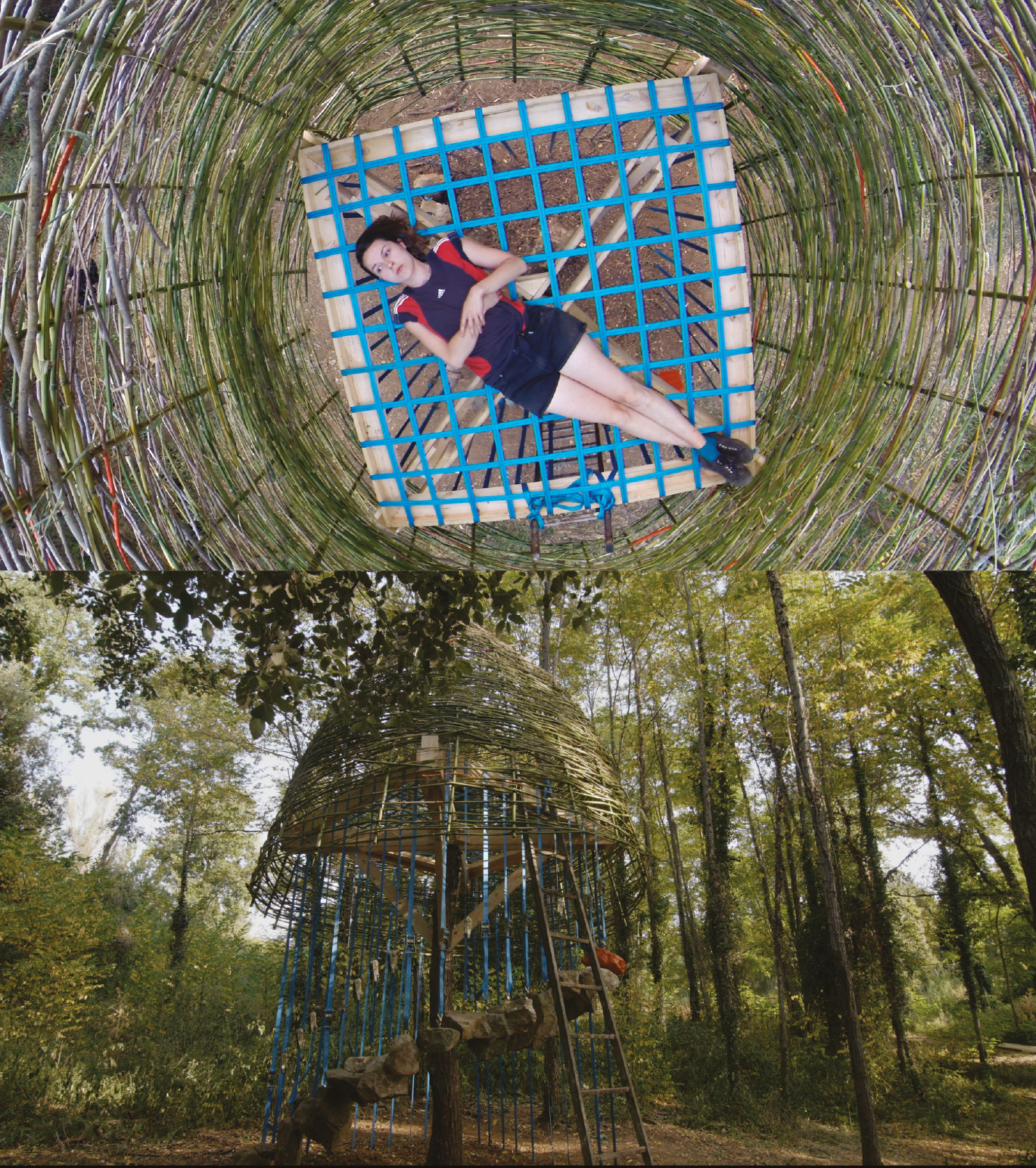
To start the process of evolution, beyond some essential repairs, we decided to initiate an education programme open to all schools of architecture in the world. For those that wish to participate we provide accommodation, in a dormitory, food and wine, all for a modest fee. The students are asked to explore the terrain and find a place where they wish to construct an edifice that is capable of being slept in and that will last at least five years. It should be constructed of materials that can be found on the site although not exclusively. We can accept up to twelve students for a week, Work stops at 8pm daily – showers taken followed by supper and entertainment. In our experience the group working together find things out. Apart from “fun,” which is a prerequisite of all activities, their perception of the term luxury is challenged.
TIME IS FINITE
It is true that apart from the mattresses, the comforts are basic, but a combination of working (together), making and laughter is a rare convergence and that is the essence of luxury.
Style is all too often confused with “taste” (“good taste!”). Lashings of taupe, marble and extremely expensive taps are the product of marketing, industry, mass production and magazine promotion. None of these things have anything to do with “style.”
Style prevents good architects and designers to evolve. For example David Chipperfield is a good architect but is trapped by the architecture he is producing. If he changed to a more exploratory mode he would lose some of his customers. Patrick Heron, the painter, was trapped into stripes for decades, subtly changing from hard edge to soft. There was a market for his work, but in his eighties he became free and in the final decade of his life produced some of the most beautiful, interesting and intriguing works. The idea of style is pernicious and is essentially a lazy, but convenient way of proceeding. It is our intention at Las Heras to free visitors from a sense of what should be done, to one of discovery. Invention and joy are the two highest priorities. By working in small groups no one person is allowed to retreat into their own form of expression. When I used to teach sculpture at the St Martin’s School of Art in London, the biggest problem we had with students was that they thought they were already artists and they had a preconception of what an artist was and how an artist behaves. Drinking too much and out of the studio fitted in this self-image. By creating a course based on points for attendance and group working which allowed time to observe others working we had some success. In reality only ever 10 % would become artists, which is, in my view, an achievement. Las Heras works in a similar fashion. It is not “my” work but “our” work and therefore turns out to be a surprise for all. In this way I feel it makes a significant contribution to architectural education.
There is a lot of building about! Not much architecture.
Poems by founding students of the London School of Architecture, during their residency at Las Heras, Summer 2016
We Have Been Weaving
We have been weaving.
Bending, folding, reaching, crouching,
Ducking, dropping, eating, sleeping,
Cutting, sawing, breaking, swearing.
In and out of winding roots,
See small wonky windows to other
Worlds.
There are 100 ways to fix
A to B,
[Everything is woven]
We have been weaving.
(By Milly Salisbury, Las Heras, July 2016.)
Morning Greetings
Morning greetings, morning meetings, morning eating
Bamboo fetching, structure testing, sun resting
Form making, water sating
Tree chopping, mosquito swatting,
Nest weaving,
Don’t want to be leaving
(By Maeve Dolan, Las Heras, July 2016.)
Die Gedanken sind frei
1. Die Gedanken sind frei, wer kann sie
erraten, sie fliegen vorbei wie nächtliche
Schatten.
Kein Mensch kann sie wissen, kein Jäger
erschießen es bleibe dabei: Die Gedanken sind
frei!
(Aus dem deutschen Lied)
2. Ich liebe den Wein, meine Freunde vor
allen, sie tun mir allein am besten gefallen.
Ich bin nicht alleine, bei meinem Glas Weine
meine Freunde dabei: Die Gedanken sind frei!
Thoughts are Free
1. Thoughts are free, who can guess them,
They fly past like night shadows.
No one can know them, no hunter can shoot them
Keep it: the thoughts are free!
(From the German song)
2. I love the wine, my friends before all,
They do me the best.
I’m not alone with my glass of wine
My friends: The thoughts are free!
(By Timm Lindstedt, Las Heras, July 2016.)
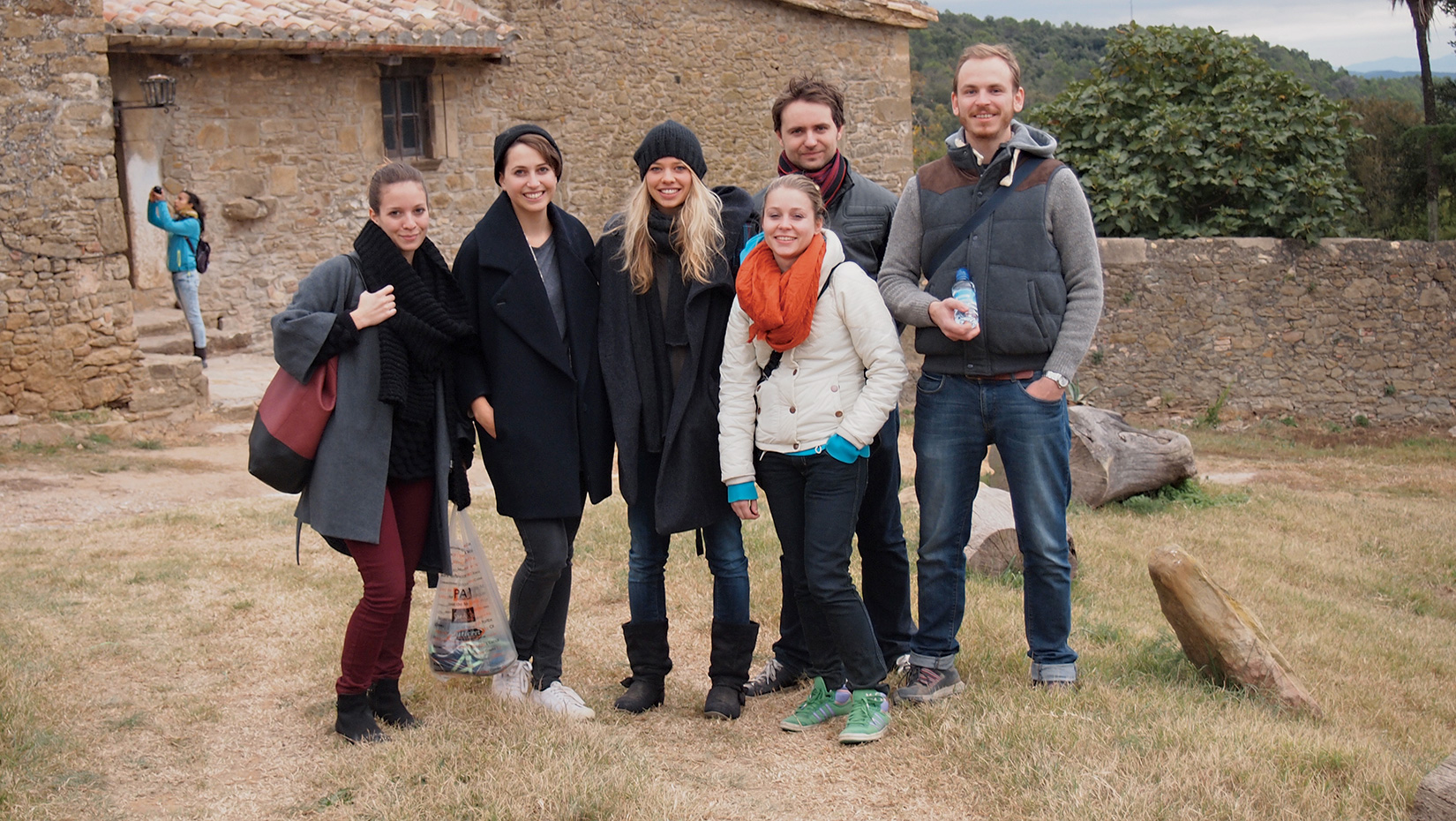
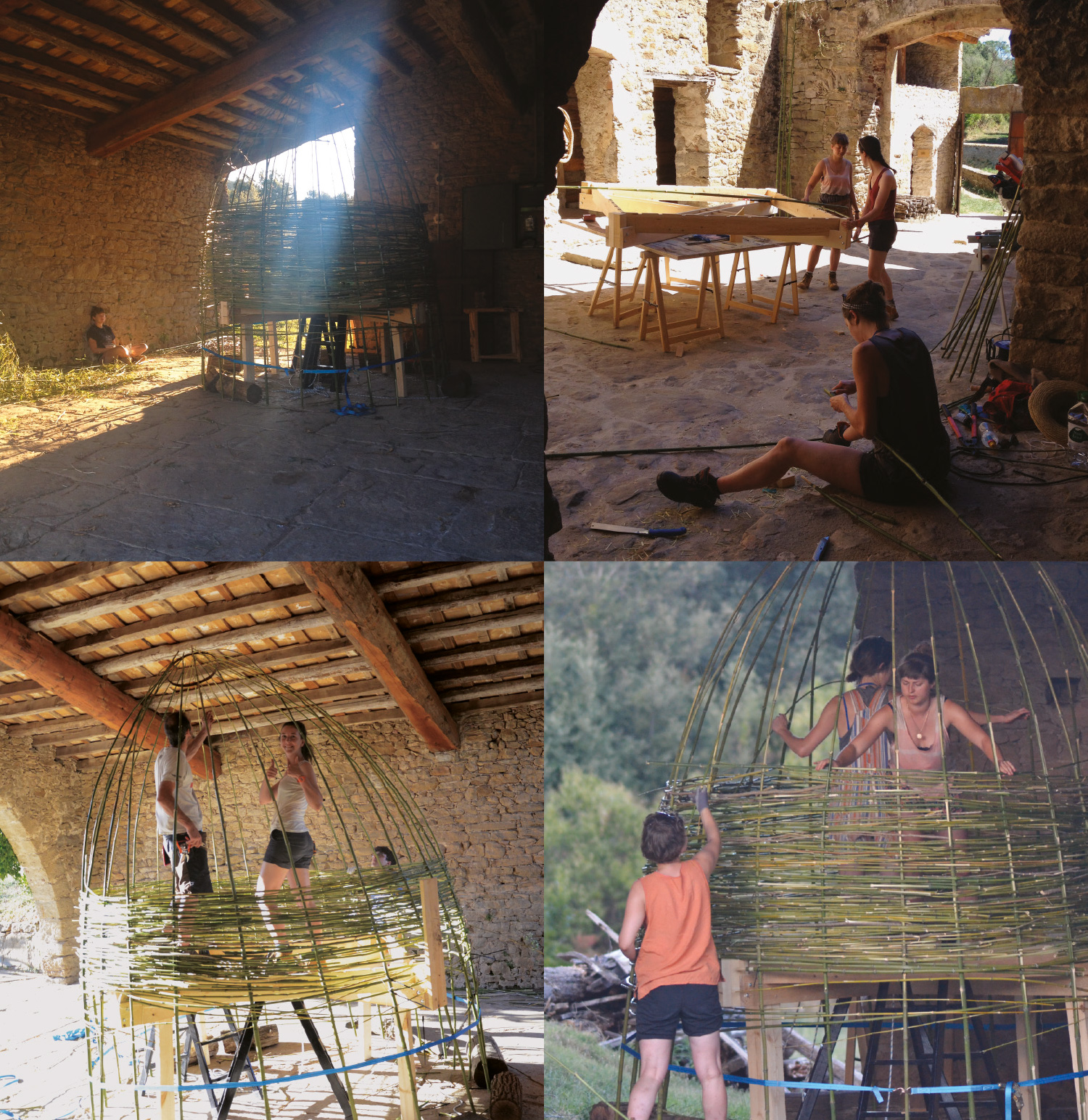
At Las Heras we have a carpentry workshop and soon ceramics and a blacksmith. To get one’s hands dirty is part of the act of discovery. To understand the difficulties of making a timber joint is a part of understanding how the built world comes into existence. Gardening is allowed. To experience what you build, to perhaps make love in the discovered edifice is an important part of the whole experience. Architecture is a strange art as during the education process everything is communicated through drawings, paintings, films, models and words. All are some approximation of an imagined future. Unlike art, when you stop working on it, it is finished. At least until the next day when you might decide to do more – or stop. Architecture is never, or rarely resolved because it is too expensive and, particularly today, too risky. The student and teacher are usually denied the actual experience. Ultimately space can only be a phenomenon to be felt. The Las Heras land is intended to help in this regard.
There are many huge issues to be dealt with within architecture. Climate Responsibility, Social Impact, Beauty, Health & Safety, Digital Banality Etc. Etc. but in reality many of them are not seen to be the direct responsibility and it is certainly true that very often clients do not wish their architects to think too deeply about these issues as there are often cost implications. We must remember we can always say no!!! I do understand that in the near future, much of our work can be executed by computer programmes directly linked to automated systems in factories, but in this case society has to decide if the product is good and whether or not it solves the problems that exist. These systems will provide building and shelter, but will it be good enough?
Architects worship the new – quite rightly – but sometimes at the expense of their own self-worth. They were amongst the first to recognise the idea of pre-fabrication and miniaturisation to solve the housing crisis that we find in many countries today. The micro flat often smaller than a caravan, but no advantage of having wheels (snail syndrome) is a solution. More technology packing in less and less space. Space is the great luxury and too little space results in bad behaviour. By reducing the home to affordable product raises many questions beyond the social acceptability. If it proved popular, and it might, out of desperation, it would start to be manufactured by large industry. Similar to a car product, the variations, with the exception of price, will be negligible and certainly would not require the skills of an architect.
I am not sure that globalisation is either good for the environment or society. The production of homes has nothing to do with architecture. The act of making a home, or feeling at home, is a part of architecture. I think to be able to build what you like, wherever you like is important. The act of making creates within itself a sense of place. It might not involve architects either, but traditionally the architect did not concern themselves with housing but only the individual house and civic buildings. Now there are too many architects to be sustained by such a reduction in workload.
So what?
Las Heras is a perfect place to make and take ownership. It is beyond architectural criticism. Criticism by its very nature is comparative and as such must divide the work into various factions in order to make a judgement. This necessity leads to an ossification of styles and methods which actively leads nowhere. I find it strange that in art the curator has become the artist and the artists are merely the medium through which they try and establish their own importance. In architecture the journalist has become critic and the critic an historian, which of course is a form of status inflation, which allows non architects to become more involved in decision making than the architect. The architect and the artist are demoted to a medium that allows others to speak. At Las Heras no-one decides – it happens!
I have no doubt that robots will make many architects redundant in the very near future. It is a death of one of the arts and sciences which no doubt will be regretted and mourned. Obviously, robotics will not only create redundancies in architects but also many other sectors of work. Good news for venture capitalists with fewer troublesome staff to worry about, but also maybe good news for society. At last a release from drudgery and tediousness. I have never really understood why workers would strike for the “right to work.” Maybe in future the “right not to work” will be the cry. Society must prepare itself for this new condition. I assume that the number of people will rise, unless mass genocide is an option, which it is not. To live without work, in the traditional sense, will require a very new approach to living; needing money, education, wisdom and spirit of useful disobedience. Las Heras is such a place that might exist to allow a discovery of peace, responsibility, farming and an air of contentment. All these things will be necessary.
Come & explore!
Awards
This essay was awarded Honorable Mention at the 2015 THE PLAN Best Paper Award contest. – Ed.
Credits
-
Kurt Engelhorn
-
Extracts from the book: Alsop, Las Heras: Stories of an Emerging World, 2014.
-
Historical account: JJ Caballero
-
Poems: students of the London School of Architecture
-
Images: students of LSA and TU Vienna; Savage Mills; Will Alsop; aLL Design
-
Sketches: Will Alsop
-
Illustrations: (within the book): Abi Daker
-
Book design: aLL Design
-
More on Las Heras
-
Film by Savage Mills: http://www.all-worldwide.com/how/movies/
-
To visit Las Heras with a group of students, please contact:
-
Daisy Froud or Sophie Smith
-
c/o aLL Design 1-5 Vyner Street, London E2 9DG
-
Tel: +44(0)20 7095 0516
-
E-mail: lasheras@all-worldwide.com; d.froud@all-worldwide.coms.smith@all-worldwide.com
-
Twitter: @aLL_lasheras
-
Instagram: all_lasheras
-
Facebook: https://www.facebook.com/profile.php?id=100009745592316
-
LAS HERAS website: http://www.masdelasheras.com/
-
ALL DESIGN website: http://www.all-worldwide.com/what/master-planning/las-heras/
Notes
-
1.J.J. Caballero, “Witness to history,” in Will Alsop, with J.J. Caballero, Las Heras: An Imagined Future, ed. Nancy Alsop, London: John Rule 2014.